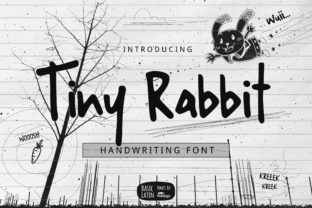
Tiny Rabbit Font: A Practical Branding Tool
As a small business owner, you quickly learn that your brand is more than just a logo. It is the feeling customers get when they see your packaging, read your social media posts, or visit your website. One of the most powerful yet often overlooked tools in building that consistent feeling is your choice of typeface. If you are looking for a way to inject warmth and personality into your brand identity, Tiny Rabbit might be exactly what you need. This handwritten font from Script Amp offers a down-to-earth charm that feels authentic rather than manufactured, making it an excellent choice for entrepreneurs who want to connect with their audience on a human level.
Why Personality Matters in Modern Typography
In a crowded marketplace, standing out is essential. Many new businesses make the mistake of choosing safe, generic fonts that blend into the background. While clarity is important, so is character. Tiny Rabbit brings a playful yet grounded aesthetic that can transform ordinary text into something memorable. It is not just a creative font; it is a communication tool that signals approachability and care.
When you use a script font with this kind of natural flow, you tell your customers that there is a real person behind the business. This is particularly valuable for handmade product sellers, boutique owners, and service providers who rely on trust and personal connection. The irregular strokes and organic shapes of Tiny Rabbit mimic actual handwriting, which subconsciously makes your design assets feel more personal and less corporate.
Real-World Applications for Your Business
You might be wondering where exactly to use a decorative display font like this. The key is balance. Tiny Rabbit shines in situations where you want to catch the eye or add a touch of whimsy without overwhelming the reader. Here are some practical ways to integrate it into your daily operations:
- Packaging Design: Use it for product names on labels for candles, soaps, or baked goods. The handwritten look complements artisanal products perfectly.
- Social Media Graphics: Create engaging Instagram stories or Pinterest pins. A short, punchy quote in Tiny Rabbit can stop the scroll and encourage engagement.
- Thank-You Cards: Include a handwritten-style note in your shipping boxes. It adds a premium feel to the unboxing experience.
- Website Banners: Use it for headlines on your homepage to welcome visitors with warmth before switching to a more readable font for body text.
- Menu Design: Café owners can use it for special items or section headers to create a cozy, inviting atmosphere.
Ensuring Readability Across Touchpoints
While Tiny Rabbit is undeniably cute, practical business use requires careful attention to readability. A premium font should look good, but it must also function well. Because this is a handwritten font, it may not be suitable for long paragraphs or small print. For instance, using it for the ingredients list on a product label could frustrate customers who struggle to read the fine print.
Instead, treat Tiny Rabbit as an accent. Use it for headlines, short phrases, or logos where the text size is large enough to appreciate the details. On mobile screens, ensure that the font size is generous. Test your designs on actual devices to see how the letters render. If the loops and tails of the letters become blurry or indistinct at smaller sizes, it is time to switch to a simpler typeface for that specific element.
Smart Font Pairing Strategies
To make Tiny Rabbit work effectively in your web design and print materials, you need to pair it with a complementary typeface. The goal is contrast. Since Tiny Rabbit is expressive and organic, it pairs beautifully with clean, structured fonts. This balance ensures your design looks professional rather than chaotic.
Consider pairing it with a modern sans serif font. The geometric simplicity of a sans serif provides a stable foundation that lets the playful curves of Tiny Rabbit stand out. Alternatively, if you want a more traditional or literary feel, try pairing it with a classic serif font. This combination works well for coaching businesses or consultants who want to appear both friendly and authoritative. Avoid pairing it with other script or highly decorative fonts, as this can create visual noise that distracts from your message.
Building Consistency and Trust
Consistency is the cornerstone of a trustworthy brand. When customers see the same typeface used across your logo design, emails, and packaging, they begin to recognize and remember you. Tiny Rabbit can serve as a key part of this visual consistency. By limiting its use to specific brand elements, you create a signature style that becomes synonymous with your business.
For example, a bakery might use Tiny Rabbit exclusively for the names of their pastries on signage and menus, while using a clean sans serif for prices and descriptions. Over time, regular customers will associate that specific handwritten style with the quality and taste of your products. This recognition builds loyalty and makes your marketing efforts more effective because your brand feels cohesive and intentional.
Testing Before You Commit
Before rolling out Tiny Rabbit across all your materials, take the time to test it. Print sample labels at actual size. View your social media templates on different devices. Ask friends or potential customers for feedback on readability and appeal. This step is crucial for avoiding costly reprints or confusing customer experiences. Remember, what looks good on a large monitor might not translate well to a small sticker or a mobile notification.
Also, consider the context of your industry. While Tiny Rabbit is versatile, it may not be the best fit for every sector. It is ideal for lifestyle, beauty, food, and creative services. However, for industries that require a strict sense of formality or technical precision, you might reserve it for internal communications or limited promotional campaigns rather than core branding.
Licensing and Commercial Use
Finally, always verify the licensing terms before using any commercial font in your business. Ensure that your purchase of Tiny Rabbit covers the intended uses, such as physical product packaging, digital ads, and client work. Using fonts correctly protects your business from legal issues and supports the creators who develop these valuable design assets. Check the Script Amp license agreement to confirm that your specific business activities are covered, especially if you plan to use the font on merchandise or in digital downloads for sale.
By choosing Tiny Rabbit thoughtfully and using it strategically, you can elevate your brand’s visual appeal. It is a simple change that can make a significant difference in how your business is perceived, helping you look professional, consistent, and genuinely connected to your customers.